
Modern building science emphasizes that roofs are not an unmoving lid and is an active thermodynamic separator. In the unique ecosystems of the coastal region in Southern California, this barrier structure interacts with continuous barometric variations, high UV indexes, as well with the ambient saltiness. When these forces hit the standard materials, they trigger rapid degradation of polymers, thermal shock and an oxidation. To protect commercial or residential property equity requires a move from traditional contracting to an envelope engineering that is specialized. By integrating modern metalurgical flashings, high-density membranes as well as structurally-integrated solar photovoltaics, property owners will be in a position to turn a depreciating asset into one with high efficiency.
Attenuating Microclimate Dynamics and Kinetic Moisture Penetration
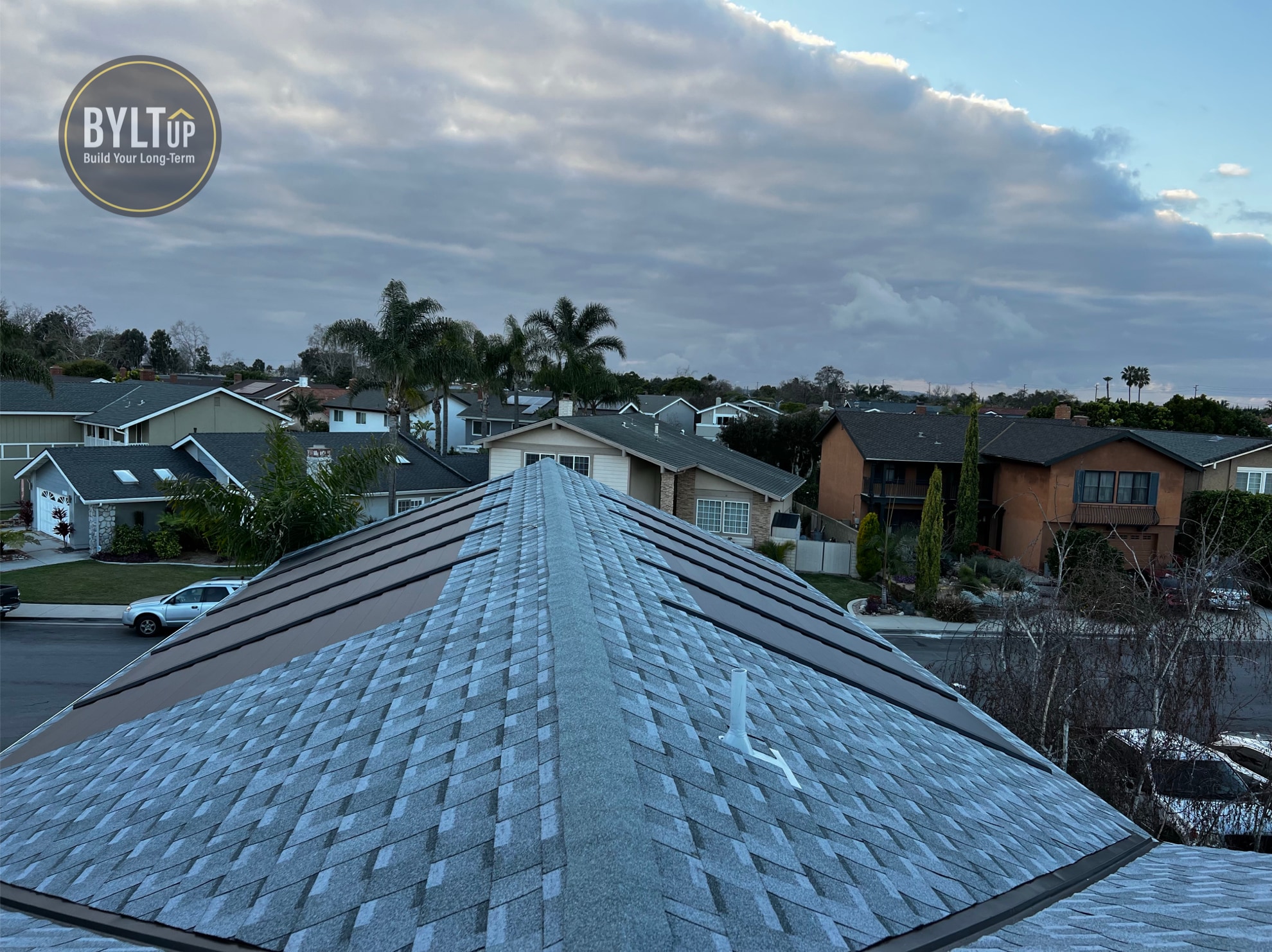
In coastal plains, homes with low elevations have an unusual microclimate due to the marine layer that is formed in the morning, and the accelerated afternoon sun’s baking. To neutralize these environmental elements homeowners turn to precision-engineered Costa Mesa roof solutions for protection against weather and deterioration. If the dew-point drops and salt-laden water collects at the roof’s valleys and intersections, organic materials will absorb the moisture, which can cause internal decay. Utilizing non-porous synthetic underlayments, advanced fiberglass-reinforced shingles, or double-fused composite tiles creates a highly effective moisture shield. These products, when used with ventilation systems that control the temperature of the attic and allow for a balanced intake and exit, shed water from outside while also controlling the temperature in the attic.
Polymer Technology and Seam Integrity for commercial properties with low slopes
Horizontal surfaces that are large in commercial facilities, retail centers logistical distribution centers, and other complexes present unique challenges to water management and thermal expansion. Utilizing industrial-grade commercial roofing Costa Mesa services allows enterprises to replace failing, heavy-tar systems with lighter thermoplastic membranes that reflect high-quality light. Thermoplastic Polyolefin sheets (TPO) or Polyvinyl Chloride Sheets (PVC) are joined through hot-air welding at seams. This molecular bond creates a seam that can be four times stronger than traditional adhesive or taped versions. To maintain a factory warranty technicians can put reinforced boots around HVAC conduits, structural holes and pipe.
The Metallurgical Selections to high-speed salt marine zones that are corrosive.
The physical environment directly adjacent to the ocean line requires an attentive consideration of the material used down to the smallest flashings and fasteners. Investing in specialized roofing Huntington Beach retrofits ensures that coastal properties are built using components that resist the corrosive effects of airborne salt spray. Metal nails made of electro-galvanized or standard aluminum corrode quickly when exposed to constantly cooled ocean air, forming small pathways for water leaks. True coastal engineering uses the thick copper flashings and fasteners or Marine-Grade 316 Stainless Steel, which forms a natural patina which guards against oxidation. This technique prevents structural damage and also removes unsightly rust on the exterior of coastal houses.
Transforming Low-Slope Landscapings into Sustainable Energy Assets
The commercial buildings that are large and have low-slope or flat profiles make the ideal platform for businesses to attain their sustainability objectives, and reduce operational costs. Commercial roofing Huntington Beach can help business owners examine their property for solar arrays, high-solids silicon coatings and other advanced technologies. The application of a seamless silicon coating over an existing structurally sound roofing substrate will close small fissures. It also stops slow leaks and reflect up to 85 percent of solar energy. The cool-roof transform reduces the temperature of the air surrounding the rooftop HVAC intakes and improves cooling efficiency. When used in conjunction with ballasted solar rack systems, companies can produce clean electricity without compromising the waterproof membrane.
The Intersection of Certified Craftsmanship & Long-Term Asset Protection
Installation crews are accountable for the quality of construction materials in the field. BYLTup technicians, who are GAF Master Elite Contractors and IB Roof Systems certified, are able to provide the highest-quality workmanship in Los Angeles County, Orange County and the Coachella Valley. Regular factory training assures that each thermal weld or structural termination and perimeter edge flashing is compliant with the most rigorous quality standards. Combining innovative materials with certified execution, we offer commercial and residential property owners with a robust building solution as well as complete warranties to safeguard their investment.